DAY 8 On an ecommerce platform, what monitoring and analytics would implement and why?
DAY 8
On an ecommerce platform, what monitoring and analytics would implement and why?
What is ecommerce analytics?
Ecommerce analytics is the process of gathering data from all areas that have an impact on your online store and using this information to understand the trends and the shift in consumers’ behavior to make data-driven decisions that will drive more online sales.
eCommerce data analysis is used to help businesses better understand data and effectively use it for customer-centric initiatives, including:
- Personalized marketing
- Improved conversion rates
- Omni-channel merchandising
- Store promotions
- AI-enabled commerce
- Inventory planning
- Supplier management
- IOT and real-time visibility
- Improved customer service
- Reduced costs
Benefits of eCommerce analytics
With e-Commerce data analytics, organizations can spot areas of opportunity, predict important trends, and gain efficiencies that can lead to growth.
Produce data-driven insights to inform strategy
Data analytics helps eCommerce businesses gain insight into what is happening in the business and can uncover important market trends and risks.
Better understand customer demographics to tailor individual experiences
Understanding how consumers interact with a brand can inform what types of content, formats, and channels resonate with key demographics. eCommerce data analytics can also help optimally position product mix and enhance the buying experience for shoppers.
Optimize pricing, inventory and up-sell performance
eCommerce data analytics can give organizations a granular picture of what drives prices for each customer segment. That insight can help uncover the best price points at the product — not category — level to earn maximum revenue.
Analyze patterns or trends in the data for accurate forecasting
eCommerce analytics allows organizations to understand how their business is performing and how it will likely perform in the future. This forecasting informs everything from sales and hiring goals to ensuring the right products are available at the right time to meet customer expectations.
Measure the effectiveness of sales and marketing campaigns
Data analytics can help eCommerce businesses measure the effectiveness of marketing campaigns, inform holistic marketing programs, gain more omni-channel traction, and improve decision-making.
5 key areas of ecommerce metrics
To make things simple and clear, we’ll separate the most important ecommerce metrics in 5 pillars that cover the whole customer lifecycle.
1. Discovery
2. Acquisition
Click through rate (CTR) — the percentage of users who click on a specific link, to the number of total users who view an email or social media post

Cost per lead (CPL) — the average cost of generating new business leads

Cost per acquisition (CPA) — this metric goes one step further and measures the average cost of acquiring a customer

3. Conversion
Sales conversion rate — the percentage of visitors who make a purchase on your online store; increasing the traffic to your website will help you reach your target sales.

Average order value (AOV) — the average amount of money spend when a customer places an order on your website

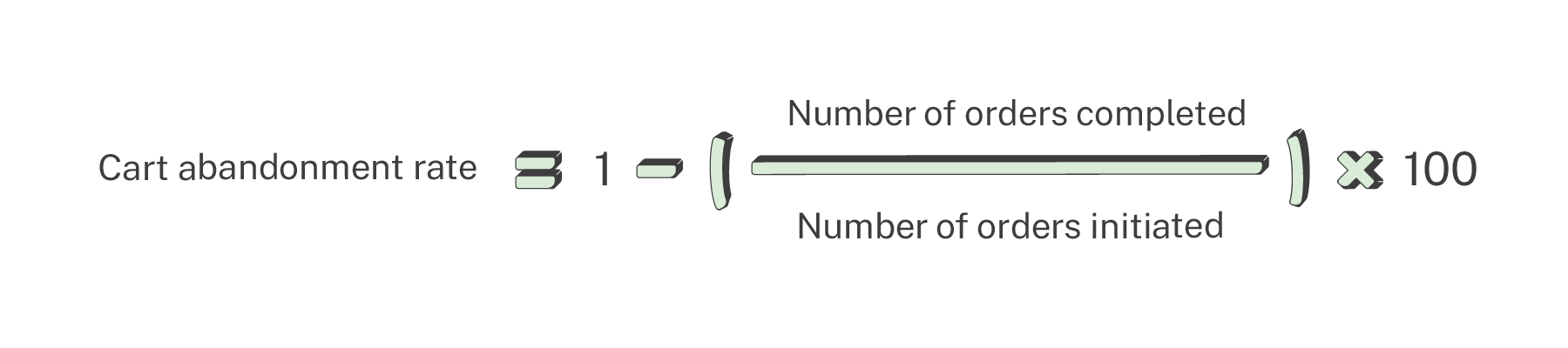
Cart abandonment rate — the percentage of shoppers who add products to the shopping cart but abandon your store before completing the purchase
4. Retention
Customer lifetime value (CLV) — represents the total amount of money a customer is expected to spend in your business, during their lifetime; one of the main goals for every company is increasing this value

ACL = Total customer lifespans / Number of customers
CV = Average purchase value (APV) / Average purchase frequency rate (APFR)
APV = Total revenue / Number of orders
APFR = Number of purchases / Number of customers
5. Advocacy
- Promoters — your most loyal customers
- Passives — customers that are satisfied with your service but not happy enough to be your brand ambassadors
- Detractors — red flag, unhappy customers who are not just unlikely to buy from you again, but they may even discourage others from doing so.

Comments
Post a Comment